Crafting a Compelling Investor Narrative: Why the Startup Pitch Deck PowerPoint Template Matters
Every startup founder knows the sinking feeling. You have a brilliant idea, a strong team, and a market ready for disruption. Yet, when the moment comes to present to a room full of investors, the story falls flat. It is rarely the concept that fails. More often, it is the delivery. A pitch deck is not a report. It is a visual argument. It must be clear, persuasive, and professional from the first slide to the last. That is where a premium Startup Pitch Deck PowerPoint template becomes more than a convenience—it becomes a strategic asset.
Investors see hundreds of decks each quarter. They develop an eye for quality in seconds. A cluttered slide, inconsistent fonts, or low-resolution images can signal a lack of preparation. A polished, minimalist presentation, on the other hand, tells investors that you respect their time and understand the importance of execution. The right template allows you to focus your energy on refining your narrative rather than wrestling with design software.
The Quiet Power of Minimalist Design
Minimalism is not about having less. It is about making every element earn its place. A minimalist modern startup presentation template strips away distractions. It forces you to prioritise your message. Instead of decorative borders or busy backgrounds, you get clean lines, generous white space, and deliberate typography. This approach is particularly effective for investor audiences. They do not need to be impressed by fancy graphics. They need to understand your value proposition, your traction, and your ask.
Consider the psychology of a flat design element. Flat design communicates speed and modernity. It feels current without feeling trendy. It also renders consistently across devices and projectors, which matters when you are presenting in an unfamiliar boardroom. A template built on flat principles ensures that your charts, icons, and data visualisations remain crisp whether viewed on a laptop, a tablet, or a large screen. That reliability builds confidence before you even say a word.
Why Colour Flexibility Matters for Brand Alignment
One of the most underrated features of a quality Pitch Deck template is the ability to change the colour scheme effortlessly. Your brand colours are not arbitrary. They evoke emotion and reinforce identity. When you download a template that allows for simple colour adjustments, you maintain visual consistency with your website, your product, and your marketing materials. Investors notice this consistency. It signals that you are detail-oriented and that your brand is mature beyond its stage.
Imagine presenting a deck where the accent colours clash with your logo. It creates cognitive dissonance. The audience spends mental energy noticing the mismatch instead of absorbing your growth metrics. A template designed for easy customisation removes that friction. You can align the palette in minutes, not hours. This practical benefit alone can save you the frustration of starting from a blank presentation or fighting with complex theme settings.
What You Actually Get Inside a Professional Template
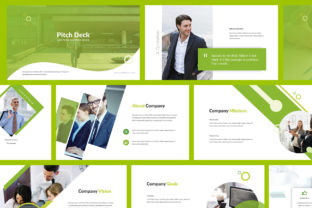
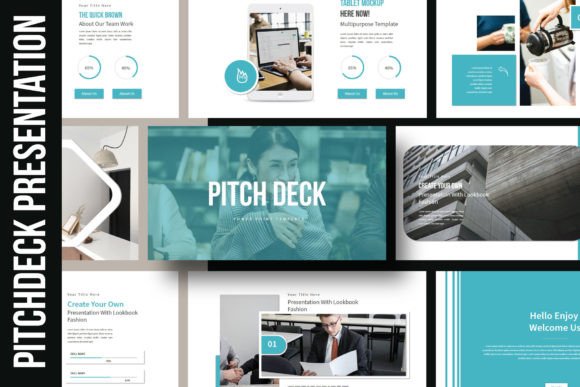
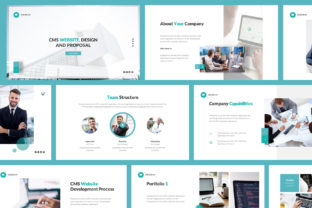
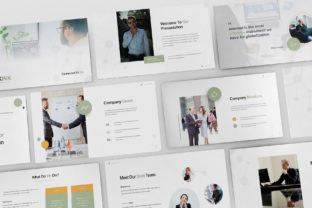
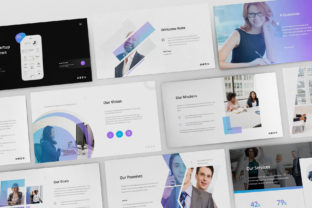
A true professional template is not just a few slides with placeholders. It is a complete ecosystem for storytelling. When you invest in a Startup Pitch Deck PowerPoint that includes thirty unique creative slides, you gain the flexibility to structure your narrative however it needs to flow. Some pitches require a longer team slide. Others need multiple slides for market validation. Having a variety of layouts means you never have to stretch a single slide to cover too much ground.
Here is what a well-constructed template typically includes and why each component matters:
- Retina and Full HD resolution: Your slides will look sharp on any display. Low-resolution decks look unprofessional on modern monitors. High resolution ensures your graphs and images remain clear even when projected large.
- PPT and PPTX file formats: Compatibility matters. Whether your investor uses an older version of PowerPoint or a newer one, the template should open without glitches. Multiple file formats protect you from last-minute technical issues.
- Widescreen 16:9 size: This is the standard for modern presentations. A 4:3 deck looks dated and wastes screen real estate. Widescreen aligns with how investors consume content today, whether in person or on video calls.
- Overlay picture effect: Images can be tricky to integrate without breaking the design flow. An overlay effect lets you insert screenshots, product photos, or team images seamlessly. The result looks intentional, not slapped on.
- Fully animated slides: Animation should be subtle and purposeful. Entrance animations that reveal key points one by one keep the audience engaged. Good animation pacing prevents information overload and allows you to control the room.
- Resizable vector elements: Vectors scale without losing quality. Icons, arrows, and shapes can be adjusted to any size. This flexibility is essential when you need to emphasise a specific metric or restructure a layout on the fly.
These features are not luxuries. They are functional requirements for a deck that needs to perform under pressure. Each element reduces the time you spend on formatting and increases the time you can dedicate to your speech and your data.
Workflow Efficiency: Spend Time on Your Speech, Not Your Slides
The most practical argument for using a professional template is time. As a founder, your scarcest resource is attention. Every hour you spend adjusting margins, fixing broken alignment, or hunting for matching icons is an hour you could have spent refining your financial model or rehearsing your delivery. A good template comes with layouts based on master slides. This means that when you change a font or a colour on the master slide, it updates across the entire deck instantly. No manual adjustments needed.
Additionally, object placeholders allow you to insert images with one click. There is no need to resize, crop, or reposition. The template already knows where the image should sit and how it should frame. This workflow efficiency is not just convenient. It reduces the cognitive load of presentation creation. You can focus on the story because the design framework is already solid.
The documentation included with a premium template is another often overlooked benefit. Clear instructions on how to use the master slides, change colours, and replace fonts save you from trial and error. Even if you are not a designer, you can achieve a polished result by following straightforward steps.
Typography Choices That Work for Business Audiences
Typography is a subtle but powerful element in any pitch deck. The recommended free fonts in many modern templates are Poppins and Lato. Both are clean, readable, and professional. Poppins brings a geometric, contemporary feel that works well for headings. Lato offers excellent legibility for body text and bullet points. Using these fonts ensures that your deck looks modern without relying on obscure typefaces that might not render on an investor's computer.
Font consistency across the entire presentation builds visual rhythm. When investors see the same heading style throughout, they subconsciously recognise structure. It helps them follow your argument. A template that comes pre-configured with these font choices removes the risk of mixing incompatible styles.
Real-World Scenarios for Different Pitch Environments
A pitch deck template is not a one-size-fits-all solution, but a well-designed one adapts to various contexts. Consider a founder preparing for a formal venture capital meeting. They need slides that are conservative in design but strong in data presentation. The minimalist structure of the Startup Pitch Deck PowerPoint template allows them to present financial projections without visual clutter. The clean charts and vector icons support clarity, not decoration.
Now consider an early-stage startup pitching at a demo day or accelerator event. Here, energy and speed matter. The animated slides and progressive design elements help maintain momentum. Each slide flows into the next, keeping the audience engaged. The widescreen format fills the projector perfectly, creating an immersive experience.
Another scenario is the remote pitch. With the rise of virtual fundraising, decks are often shared as PDFs or presented via screen share. A print-ready PDF version included with the template ensures that recipients see exactly what you intended, even if they do not have PowerPoint installed. This attention to distribution formats shows professionalism and foresight.
Common Concerns Founders Have Before Choosing a Template
Founders often worry that using a template will make their deck look generic. This is a valid concern, but it depends entirely on how the template is used. A quality template provides a framework, not a cage. You bring your unique content, your data, and your brand. The template ensures that the presentation is coherent, but your story remains original.
Another concern is the learning curve. Some templates are overly complex, with dozens of layer options and nested menus. The best templates are easy to use. They require no advanced design skills. If you can drag and drop an image, you can customise the deck. The inclusion of a PDF guide and free support further lowers the barrier. You are never alone when something does not work as expected.
Image licensing is another point of confusion. Many templates specify that images are not included. This is standard practice. The benefit is that you use your own product screenshots, team photos, or market visuals. Your deck becomes authentic to your startup. The template provides the framing and effect overlays, but the content is yours. This authenticity actually strengthens your pitch because investors see real assets, not stock photography.
Why Updates and Support Matter Long After Download
A good template offers free updates. Software changes, and what works in PowerPoint 2019 might behave differently in PowerPoint for Mac or Microsoft 365. Templates that are actively maintained ensure compatibility. Free fast support is equally important. If you encounter a glitch at 10 PM the night before a pitch, knowing you can email for help provides peace of mind.
The promise of free updates also means that you can reuse the template for future pitches or other business presentations. As your startup evolves, you may need to create decks for partners, hiring, or board meetings. Having a reliable template library saves you from starting over each time. The initial download becomes a long-term investment in your communication toolkit.
Practical Recommendations for Getting the Most Out of Your Template
To maximise the value of your template, start by mapping your story to the available slide layouts. Do not try to fill every slide. Use only what serves your narrative. Introduce your problem, your solution, market size, traction, team, and ask. The thirty slides are there to give you options, not to create length.
Spend time on your opener. The first three slides determine whether the investor leans in or leans back. Use the clean title and intro slides to state your purpose clearly. Follow with a pain point slide that uses the overlay effect to show a compelling image or chart. Keep your font sizes generous. Investors often view decks on small screens during previews. Readability is respect.
Finally, rehearse with the deck in presentation mode. The animations and transitions only work if you know their timing. Practise advancing slides naturally. The best pitch decks are not read. They are performed. Your template gives you a professional stage. Your speech brings it to life.
A Startup Pitch Deck PowerPoint template is not a shortcut to a successful fundraise. It is a foundation. It removes the friction of design so you can focus on persuasion. When your slides are clean, your colours are aligned, and your content is sharp, you project competence. And in the world of startup fundraising, competence is often the first deal clincher.