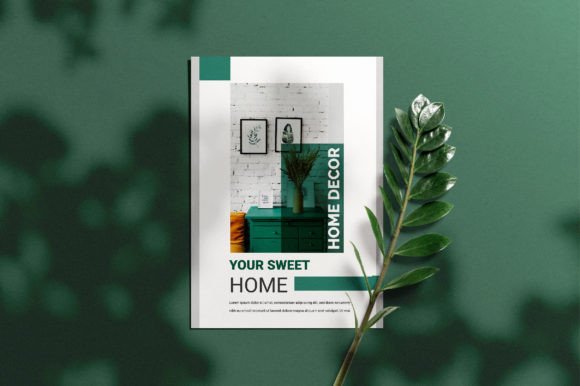
Minimalist Flyer Design in Green: Why Less Color Delivers More Impact
Minimalist flyer design in green has quietly become one of the most versatile tools for modern communicators. It strips away visual noise and lets a single color do the heavy lifting. The result is a piece of print or digital material that feels calm, trustworthy, and intentional. In a world saturated with bold typography, clashing gradients, and busy layouts, going green and minimal is not a retreat from creativity—it is a sharp, strategic choice.
At its core, minimalist flyer design in green relies on the principle that every element must earn its place. White space becomes a design element itself. A muted sage background or a bold emerald headline works because there is nothing competing for attention. This approach resonates deeply with audiences aged 20 to 50: professionals who value clarity, entrepreneurs who need materials that look polished without overwhelming, and creators who understand that restraint often communicates more than excess.
The Relevance of Minimalist Flyer Design in Green Today
Minimalism in graphic design is not new, but its pairing with green carries particular weight right now. Green evokes nature, growth, sustainability, and balance. For businesses and freelancers, it signals environmental awareness without needing to state it explicitly. For educators and bloggers, it suggests calm authority. And for marketers, green is statistically one of the most restful colors for the human eye, which means flyers that use it effectively keep viewers engaged longer.
What makes minimalist flyer design in green especially relevant is how it fits into current working habits. Many people design their own materials using templates. They need something that loads quickly, edits easily, and works across both print and screen. A well-structured green template meets these needs. It does not require a deep understanding of color theory because the palette is intentionally limited. And because the design is minimal, users can swap in their own content without breaking the layout.
Why Professionals and Creators Are Paying Attention
The shift toward cleaner design has been building for years. Audiences have become more visually literate. They recognize when a flyer is trying to sell them something by overloading every inch with information. Minimalist flyer design in green avoids that trap. It trusts the viewer to engage with the message rather than being distracted by the decoration.
Consider a small business owner launching a local workshop. A green flyer with generous white space, a clear headline, and a single call to action will stand out more on a crowded bulletin board than one filled with icons, borders, and multiple typefaces. The brain processes that simplicity as confidence. Similarly, a freelancer promoting a portfolio review session can use a green minimal template to communicate professionalism without the need for stock photography or complex graphics.
How the Template Features Support Realistic Design Needs
The template features listed in this design are not arbitrary specs. Each one addresses a practical requirement that anyone creating print materials will encounter. Understanding them helps you get the most out of the file.
Printable Size and 300 DPI Resolution
Print is unforgiving. A flyer that looks crisp on screen can turn blurry and disappointing on paper if the resolution is too low. That is why 300 DPI matters. It ensures that every line, every edge of text, and every subtle green gradient renders sharp. The printable size means the template is ready for standard output without guesswork. Whether you are printing five copies at a local shop or running a batch at a commercial printer, you can trust the dimensions.
Illustrator EPS and JPG Files with CMYK Color Mode
Having both EPS and JPG files gives you flexibility. The EPS file is vector-based, which means you can scale it to different sizes without losing quality. This is crucial if you decide later that you want a poster version of the same design. The JPG file provides a quick preview or a ready-to-use version for simple uploads.
CMYK color mode is the standard for professional printing. If you have ever designed something in RGB and been disappointed by how dull it looked on paper, you know why CMYK matters. The greens in this template are calibrated to reproduce faithfully in print. You are not guessing how the final piece will look.
Easy to Edit with Free Fonts
Editing someone else’s design can be intimidating. But a well-structured template makes it straightforward. Layers are organized. Colors are swatched. Text is placed in editable fields. You do not need to reverse-engineer the design to change the headline or update the date. The free fonts ensure you are not locked into expensive licensing. You can download the same typefaces, make your edits, and share the file with collaborators who will see the same results.
100% Vector and No Images Included
The fact that this template is 100% vector is a major advantage for custom work. Vector art is resolution-independent. You can enlarge any element—a decorative line, an icon, a shape—to any size without pixelation. The note that images are not included is also honest and practical. It means the template relies entirely on typography, geometry, and negative space. You are not dealing with image placeholders that look awkward when you replace them. You build your visual impact through layout and color alone, which is the essence of minimalist flyer design in green.
Practical Implications for Different Users
For marketers, this template is a time saver. You can produce a consistent series of flyers for events, product launches, or seasonal promotions by swapping text and adjusting the green hue slightly. The minimal style ensures that your brand message remains front and center, not buried under decorative noise.
For educators and bloggers, a green flyer can signal a calm, trustworthy environment. Think of a workshop on sustainability, a community gardening event, or a series of mindfulness classes. The color and the minimal layout work together to reinforce the theme without needing extra imagery.
For freelancers and small business owners, the ability to customize without hiring a designer is a practical advantage. You can create a professional-looking flyer for a networking event, an open house, or a seasonal sale in minutes. And if you run into trouble, the offer to contact for help removes the fear of getting stuck. That kind of support is rare with digital templates and adds real value.
Changing Habits and Modern Workflows
More people are working remotely, designing on laptops, and collaborating with colleagues across time zones. A template that comes in Illustrator EPS format fits into that workflow. You can open it in a vector editing application, make changes, and export for print or digital use. The JPG version is there for quick sharing with team members who do not have design software.
The trend toward minimalism also reflects a broader cultural shift. Attention spans are shorter, but the desire for meaning has grown. An overly busy flyer feels like noise. A minimalist green flyer feels like a signal. It says, “This is important. Take a moment.” That is a message that works for a yoga studio, a financial planning seminar, or an art exhibition.
Realistic Observations and Recommendations
If you are considering using minimalist flyer design in green for your next project, start by defining your primary message. The template will do the rest, but you need to know what you want to say. A minimal design cannot hide a weak headline. Make your text strong. Use size and weight to guide the reader’s eye. The green palette will provide the tone, but your copy must deliver the substance.
Do not be afraid to experiment with different shades of green within the same template. A dark forest green works for formal events, while a soft mint suits casual or wellness-oriented content. Because the template is vector, you can adjust the color globally in seconds.
Also, remember that the lack of images is a feature, not a limitation. It forces you to rely on typography and space. If you do need an image, consider adding it carefully in a corner or as a subtle background element, keeping the overall layout clean.
Finally, take advantage of the offer for customization help. Even experienced designers sometimes need a second pair of eyes. If you are unsure about alignment, color contrast, or font pairing, reaching out can save you time and prevent a costly print mistake.
Why This Approach Will Stay Relevant
Minimalist flyer design in green is not a fleeting trend. It is rooted in how people process visual information. The human brain prefers simple patterns. Green is a color that evokes stability and renewal. Put them together, and you have a design language that works across industries and contexts.
As more businesses and creators move toward sustainable practices, the color green will only become more symbolic. But even outside of that association, the sheer usability of a well-crafted green minimalist template makes it a practical choice. You save time, reduce stress, and produce materials that respect the viewer’s attention.
Whether you are a marketer planning a quarterly campaign, a teacher organizing a community event, or a freelancer building your brand, this template gives you a foundation that is both beautiful and dependable. The features—printable size, 300 DPI, EPS and JPG formats, CMYK, easy editing, free fonts, and full vector construction—are all designed to remove friction from your workflow. And if you ever need help using the file or want something customized, the door is open. Just reach out.